Navigation . . .
Teens With Invisible Disabilities
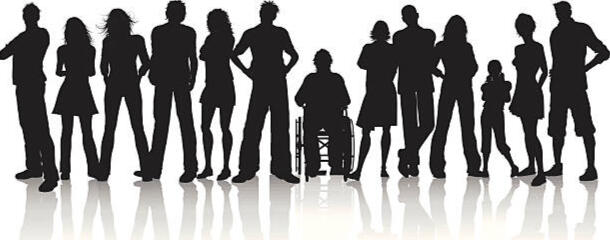
"I've had to opt out of two sports, taekwondo and hockey. It doesn't affect me daily; but unavoidably, I still contemplate and dream of how my life would be, if I had gone down either of those paths."
Guide
Welcome to my site! Use the arrow keys on top to navigate between sections in order, or press a particular section to view it immediately.
Teens With Invisible Disabilities
Table of Contents1. One: Introduction To My Project
2. Two: Day to Day Life as a Disabled Person
3. Three: The Impact of Disabilities
4. Four: Disabilities and Identity
5. Five: Experiences With Ableism
6. Six: My Own Experiences
7. Seven: What I Learned
8. Eight: Breaking Biases
9. Nine: Breaking Biases (2)
10. Ten: How You Can Help
11. Eleven: Behind The Scenes
About My Project
IntroductionHi! I'm Serena, and I'm chronically ill. I have a few invisible disabilities such as Long Covid, POTS, and Chronic Fatigue Syndrome which result in me using a wheelchair and taking online classes. I wanted to talk to people who have similar experiences and share their stories, which is why I chose this as my Recital Project....
My ProjectI chose to interview a few teenagers (13-15) who are also disabled about their experiences. I asked them about their disabilities, how it effects them, their experiences with ableism, and more. I'll be sharing their stories anonymously through this website! I will also be discussing the effects of ableism on disabled people in depth on this website....
Invisible DisabilitiesIf you aren't aware, invisible disabilities are chronic illnesses that are not visible on the outside. People with invisible disabilities don't have a missing leg or a bodily defect of some sorts, but struggle with internal issues that make it hard to function.For example, fatigue that makes it hard to complete school/work; or chronic pain that makes it hard to get around and complete daily chores.
Day to Day Life as a Disabled Person
Question: How do your disabilities affect your day to day life?...Answer OneI think they make it harder to do a lot of things, such as walking, for example, as I am unable to access a wheelchair at the current point in time when my disabilities start acting up it's hard for me to get to place to place without large amounts of pain. It also makes it harder to do things like shower, stand for long period of time, exercise, and more.
...Answer TwoFrom a third person viewers standpoint, they may see less symptoms shown by somebody with a disability, especially invisible ones. However, I think it's the accumulation of symptoms that really throws me off. For instance, I can never seem to get a full night's sleep; from either waking up coughing my lungs out or just insomnia. These both exacerbate chronic fatigue - inevitably making getting through the day harder. On days when the symptoms affect me more, I struggle to even walk up the stairs or stay standing upright. These are just the surface level problems; tip of the iceberg.
...Answer ThreeI am diagnosed with juvenile idiopathic arthritis, which is a form of arthritis in children. I have to take a lot of medicine to help ease my joints and lower my pain everyday, which can cause me to be extremely exhausted. I also use a cane in order to walk longer distances, which helps me a lot with refraining from causing further damage to my joints.
...Answer Fourmakes me very TIRED!!! cant really do basic tasks like getting ready in the morning (fatigue SO BAD when i wake up...) cant walk up and down the stairs in my house w/o trouble, etc... constant pain when i stand and walk stuff like that
The Impact of Disabilities
Question: Have you ever had to stop something you enjoyed because of your disabilities? If so, how did this make you feel?...Answer OneThe majority of widespread interests include physical input, ranging from sports to things like art - a field where many people don't count as "physical". I've had to opt out of two sports, taekwondo and hockey. It doesn't affect me daily; but unavoidably, I still contemplate and dream of how my life would be, if I had gone down either of those paths. Whenever I see someone in great health, my mind immediately goes to this perpetual thought - what if I could, in the slightest chance, accomplish the same as them?
...Answer TwoYes, I’ve had to stop skiing due to my disability. It’s actually been really hard to come to terms with due to the fact that it was one of the only sports I enjoyed that I was good at, so having to give it up is difficult.
...Answer ThreeYes, I've had to sit out from things or stay home because ive been too sick or in too much pain. It's been very hard because I have a lot of FOMO and I think that's one of the main reasons why.
...Answer FourSPORTS!!! RUNNING!!! the sports thing didnt affect me THAT much because i lowkey suck but i still Enjoyed it... and i wish i could like actually participate in stuff like gym because its FUN to run and stuff!!! but like nooo it has to make me almost faint every time
Disabilities and Identity
Questions:
Has your disability changed you as a person in any way? If so, how?
...Answer OneBeing changed as a person by a factor as significant as a disability is ineluctable. My head has been altered; ranging from my decision making, my priorities, my perception on topics, they would be drastically different if I had better health. I think this mainly sources from my experiences and my history with a lifestyle like this.
...Answer TwoI think it has, in the sense that it made me open my eyes up to the struggles we as physically disabled people face that I didn't know about when I was still able-bodied.
...Answer Threehmm i dont really remember a time i wasnt being affected by them now that i think about it? like obviously i didnt know what i was being affected by was an actual disability until more recently but you know. but i mean being in constant pain and being lightheaded and not being able to do stuff does make me like... irritable and often hard to be around according to others
Experiences With Ableism
Questions:
How do your disabilities affect the way others interact with you?
Do you think that people treat you differently because of your disability?
...Answer OneUndoubtedly. It also ranges from the type of people you’re dealing with. If you tell somebody about your disabilities, they might freak. They might try to treat you like porcelain glass; one wrong move and you’ll shatter. They might take amusement in picking on you; whether it's passive or not. I think that not many people genuinely view people with disabilities as, well, human beings. They fail to acknowledge the fact that disabled people are capable, and they don’t need to be spoon fed unless asked for.
...Answer TwoThey either baby me or push me past my limits, instead of working with me to find a middle ground. It gets very frustrating when people think they’re being helpful when they’re actually just ignoring my needs and doing too much or too little.
I’ve noticed that people tend to look at my cane more than they look at me now. I've had a lot of strangers stare at me much more than they used to. Also, due to the fact I have an invisible disability, it's not treated as seriously by some people I know and they’ve held the same expectations of me that they had before I started experiencing JIA symptoms.
...Answer ThreeI've been teased a lot for having "no immune system"
I think since it's not visible there's not 100% of the time prejudice but once people notice i have symptoms then there is a lot of weird ableist remarks that come with it.
My Own Experiences
My DisabilitiesMy disabilities make it hard for me to function and get around. Because I suffer from chronic migraines, pain, and fatigue, I’m almost always housebound, and often bedbound. I have to take a lot of measures (dozens of supplements and prescriptions, constant stretching, physical therapy, etc.) in order to function at a level that’s lower than most able-bodied people....
My Disabilities & My IdentityBeing disabled has made me more compassionate towards other people's struggles, but also a lot more aware of the micro-aggressions that disabled people face. It’s both given me more anger towards society, but also made me more thoughtful.
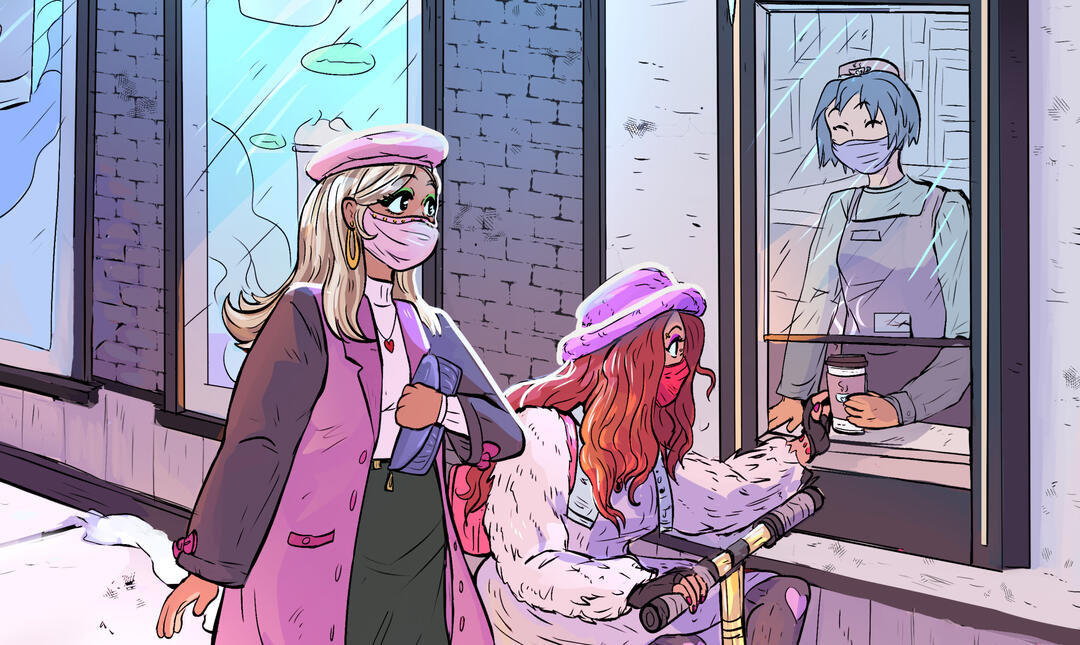
My Experiences With AbleismI used to be able to get around without a wheelchair, but now that I have to use a wheelchair, almost everyone stares at me. Lots of people, even those who I’d never spoken to before, would come up to me and ask "what happened?" or "do you need help?"People often baby me or think that I’m less capable than they are, just because I need to use a wheelchair. Some people will also make insensitive jokes at my expense, even when I express my clear discomfort. Both situations make me really uncomfortable and annoyed.
What I Learned
Disabilities in TeenagersBeing physically disabled can be extremely hard on teenagers, because we often have to miss out on important life events and key moments of our youth.It often feels very isolating to not be able to do the same things as your peers. Being in a school environment can also make ableism worse, because teenagers often don’t know how to properly treat disabled people. Many teenagers are constantly mocked, ridiculed, or babied for their disabilities.This can make it extremely difficult to interact with others. Paired with having to miss school and other important events due to illness, being disabled often makes teenagers feel alienated from their able-bodied peers.
...Disabilities and IdentityBeing disabled often changes people’s identities, especially when they’re in their adolescent years. There’s often a mix of feelings; frustration and disappointment for what you can’t do, but also pride in the unique identity of being disabled.Disabilities are extremely hard to live with, but learning to accept them can also build a sense of identity—something that’s extremely important in your teenage years.
My ConclusionTeenagers living with physical disabilities are still teenagers, who want to be treated like anyone else. Living with a disability is most certainly a burden, but it does not make someone incompetent. Babying disabled teenagers or treating them like they’re lesser is extremely harmful. Disabled people have feelings, just like everyone else.Always remember to treat disabled people with the respect you would give any other person—be considerate of their boundaries, be mindful when asking about their disabilities, and listen to them.
Breaking Biases
Invisible DisabilitiesPeople with invisible disabilities often defy what is “expected” of disabled people; if you look at them, you wouldn’t be able to tell that they’re disabled.The notion of a disabled person who doesn’t fit society’s expectations of a disabled person can be very uncomfortable to many.People with invisible disabilities often get their problems overlooked because they aren’t apparent from a glance, without any consideration for their feelings. They are treated as outcasts who are always “too tired” or “in a bad mood.”Let me ask you a question. Say you’re a teenager who struggles with severe fatigue and pain that never goes away, no matter how much you try. You’re always exhausted and irritable because nothing relieves your pain. But everyone around you thinks that you’re just lazy or uncooperative, or they mock you for your inability to complete certain tasks.They don’t see anything wrong with you; so there’s no “reason” for you to be upset. How would that make you feel? Because that’s how many teenagers living with invisible disabilities feel. No one listens to them, no one respects them.Disabled people deserve to be accommodated regardless of if you can see their disabilities. There is no reason for you to take a wheelchair-bound disabled person more seriously than a disabled person with no visible illness.
Stereotypes of Disabled PeopleMany people have misconceptions about disabled people. For example, there is a preconceived notion that there always has to be something visibly wrong with them, like a missing limb or a bodily deformity.Lots of people get surprised or even upset when their unconscious biases of disabled people aren’t met, which can lead to internalized ableism and self-doubt amongst disabled people.To break down your prepossessed notions of disabled people, whether conscious or not, ask yourself this: would you want your identity and struggles to be invalidated because they aren’t easily digestible for people?Be mindful that every disabled person has different symptoms and unique experiences. Don’t stereotype based on what you think you know about their disability.
Breaking Biases
Denormalizing AbleismAbleism is the most prevalent form of discrimination in the world. Most people don’t see disabled people as human, or “equal” to them; whether they’re consciously aware of it or not.Something I always tell people is to follow the Golden Rule—treat people the way you want to be treated. If you wouldn’t say it to an able-bodied person, don’t say it to a disabled person. We have feelings too!Spreading awareness on disabled people’s experiences and feelings is the first step in denormalizing the mistreatment of them.Be mindful of what you say to disabled people, and make an effort to properly educate yourself. Talk to disabled people, listen to the stories and experiences of disabled people, read books and watch movies or documentaries about disabilities.
Talking About DisabilitiesMany people talk about disabilities in a very disrespectful way, even without realizing it. Though changing your language may not seem like a big deal, it’s just as important as educating yourself and spreading awareness when it comes to denormalizing ableism.Below is a list of general guidelines to keep in mind when talking to/about people with disabilities. Please keep in mind that all disabled people have their own boundaries, and this isn’t a concrete list.
..Things You Should Do• Be respectful and kind like you would to any other person• Listen when they express discomfort• Validate their feelings without speaking over them• Help them when they ask for assistance
..Things You Shouldn't Do• Make distasteful jokes about disabilities / illnesses you don’t have• Mock disabled people for things out of their control (i.e. their speech or mobility)• Ask invasive questions (i.e. “What happened?” or “When did this happen to you?”) without asking for their permission• Judge disabled people based off what you think you know about their disabilities• Police their tone when they express frustration about ableism
Resources
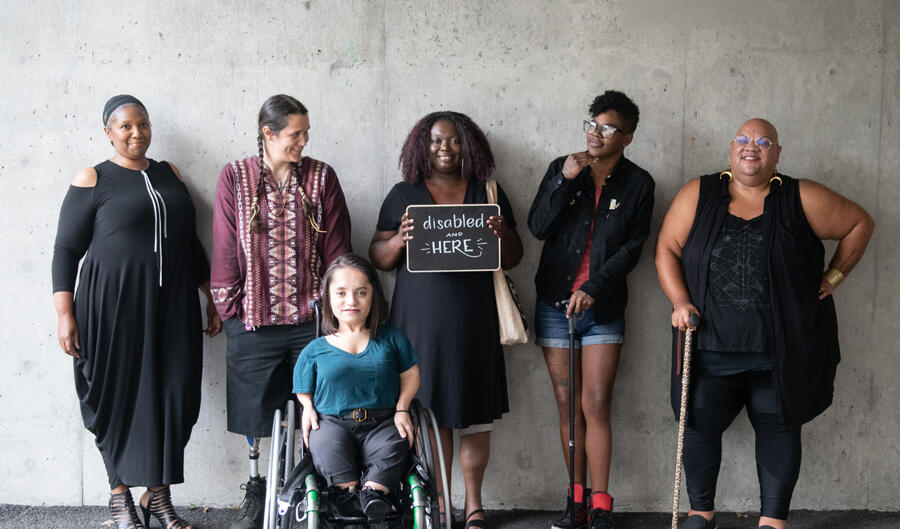
Disability Rights California • DonateAbility Now Bay Area • Donate or VolunteerBay Area Outreach and Recreation • Donate or VolunteerAla Costa Centers • Donate or VolunteerThe Center for Independent Living • DonateDisabled and Here • Art by & of disabled people! Credit for some of the amazing art on this site.
How You Can Help
Supporting Your Disabled PeersThe most crucial thing to do is listen to your disabled peers and friends. Respect their own boundaries, and try to understand their conditions and needs. The best thing you can do for disabled people is to treat them as you would anyone else, and be accomodating of what they need.
...Advocating For Disability RightsIn the United States, disabled people have a hard time living an independent, fulfilling life. Disabled people cannot make more than $1,500 a year and still receive support from the government, or even be legally classified as disabled.This makes affording day to day expenses and proper medical care almost impossible. Though most buildings are wheelchair accessible due to the ADA, disabled people still lack lots of basic rights for a good life.It’s imperative to spread awareness about the lack of proper protection for disabled people, and rally for better government support for disabled people.Sign petitions, contact your government officials, donate to organizations that support disabled people live. Disabled people deserve the ability to support themselves and be accommodated by society and the government.
Behind The Scenes
Why This Project?I chose this project because disability rights and the experiences of disabled people are very passionate topics for me. As a disabled person myself, I wanted to spread awareness about how much disabilities actually affect a person’s life, and how poorly society treat people with disabilities.The majority of my peers and teachers are able-bodied, and I thought making an easy-to-access website about disabilities could hopefully educate them, at least a bit. At the very least, I hope this project will help you see disabled people in a different light.
...
My Process1. Planned my project week by week
2. Began looking for a mentor and people to interview
3. Brainstormed the website layout and it's contents
4. Found a mentor and reached out to her for resources
5. Finished the overall layout and structure of the website
6. Interviews! (this took place over weeks)
7. Wrote all the text and content on the website
8. Edited the text with help from my advisor Kelly (hi Kelly!)
9. Tweaked and polished the website design
10. Asked for feedback from my humanities tutor regarding the user experience (hi Liam!)
11. Added a title page!
12. Final round of feedback with Kelly, Liam, my dad, and some of my peers!

Problems I FacedThe main obstacle I faced was, ironically, my disabilities. Though the first semester was mostly smooth sailing, I got really sick in January of this year and ended up having to take a Leave of Absence due to my health issues.This obviously made it harder for me to work on my Recital Project. I couldn't really tell you how I overcame this problem, because, well... I didn't.The other obstacle I faced was finding other disabled people to interview. I don't know very many disabled people my age, especially those with specifically invisible disabilities.But because these interviews are completely anonymous and online, I was able to reach out to a few of my online acquaintances (who I had bonded with over our similar experiences with disabilities) and hear their stories!